Social Security
SS exempt from state tax
Federal rules still apply

 2026Rank #21
SS exempt from state tax · partial retirement exclusions · property 1.3% · sales 8.54%. Plan RMDs, Roth conversions, and estate tax before retiring in New York.
By Sammy S. · Founder · AuthorUpdated for 2026
Exempts Social Security and government pensions; private pensions get a limited exclusion; estate tax applies. Rank #21 on this site's retiree-friendliness score (#1 is most favorable).
Social Security
SS exempt from state tax
Federal rules still apply
Retirement income
Partial retirement exclusions
Pensions / IRA / 401(k)
Estate / inheritance
Estate tax
Exempt ~$7.35M
Retiree rank
#21
Lower score = more friendly
Compare any two states
Social Security, pensions/IRA, estate taxes, and supporting property/sales rates.
SS exempt from state tax
New York does not tax Social Security benefits at the state level. Federal tax rules still apply.
Federally, up to 85% of Social Security can be taxable based on combined income. State treatment is a separate layer on top of IRS rules.
Partial retirement exclusions
Government pensions generally fully exempt. Private pensions: first $20,000 excluded (age 59½+). IRA/401(k) withdrawals generally taxed.
Federal income tax on Social Security and retirement distributions can apply regardless of state rules.
Estate tax
New York does not currently levy a state inheritance tax.
Federal estate tax may still apply above about $15M for 2026, regardless of state rules.
Income-tax savings can be offset by higher housing or consumption taxes. These are statewide benchmarks—not the exact levy on a specific home or shopping basket.
1.3%
Owner-occupied housing benchmark
New York property tax profile →8.54%
State + average local combined rate
New York sales tax profile →Living in New York does not remove federal tax on taxable Social Security, traditional IRA/401(k) withdrawals, capital gains, or a taxable estate above the federal exemption. New York rules sit on top of IRS rules.
Up to 85% of benefits may be taxable based on combined income—same framework in every state.
SS exempt from state tax
Partial retirement exclusions
Estate tax
New York does not tax Social Security benefits at the state level. Federal tax rules still apply.
Government pensions generally fully exempt. Private pensions: first $20,000 excluded (age 59½+). IRA/401(k) withdrawals generally taxed.
Statewide effective property tax is about 1.3%. Check local homestead or senior relief.
Combined average sales tax is about 8.54%. Necessities may be taxed differently.
Estate tax
Conversions can raise New York taxable income and, where relevant, Social Security state-tax thresholds.
#21 on this site’s Social Security, retirement-income, and estate/inheritance score (#1 is most favorable).
A planning label—not a guarantee for every AGI level or filing status.
Statewide benchmarks for cash-flow planning; your locality may differ.
Every local income tax, circuit breaker, homestead credit, or private pension nuance.
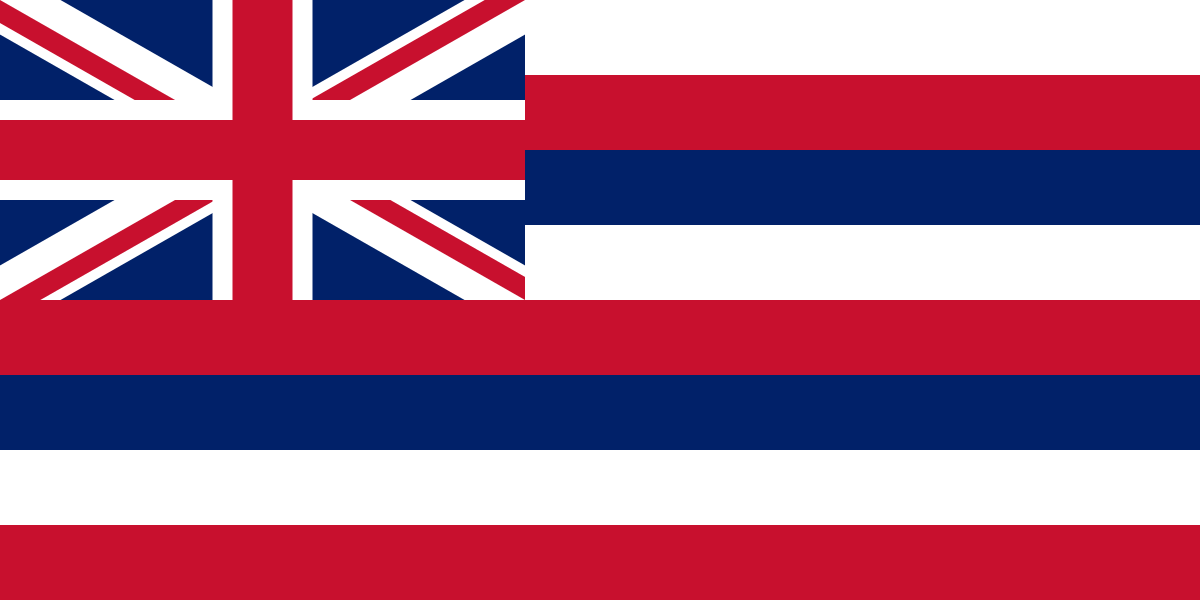 Hawaii
Rank #21 · SS exempt from state tax · Partial retirement exclusions
Compare New York vs Hawaii →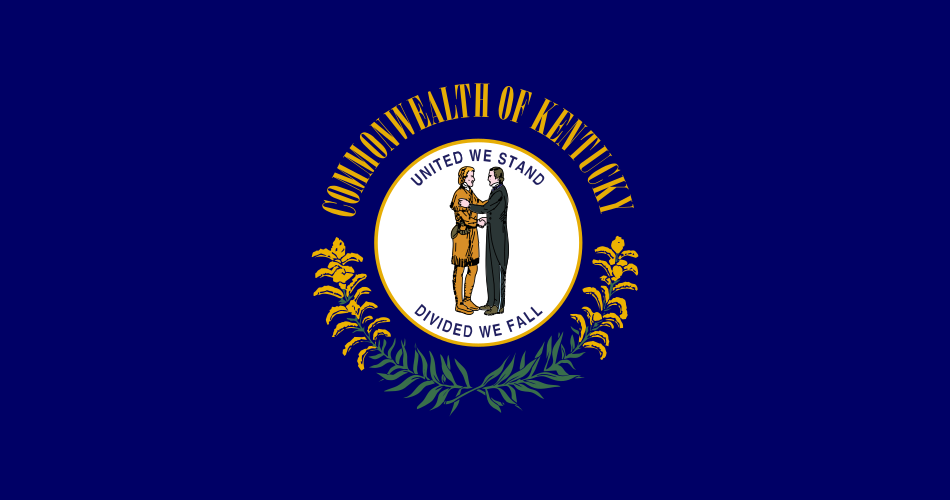 Kentucky
Rank #19 · SS exempt from state tax · Partial retirement exclusions
Compare New York vs Kentucky →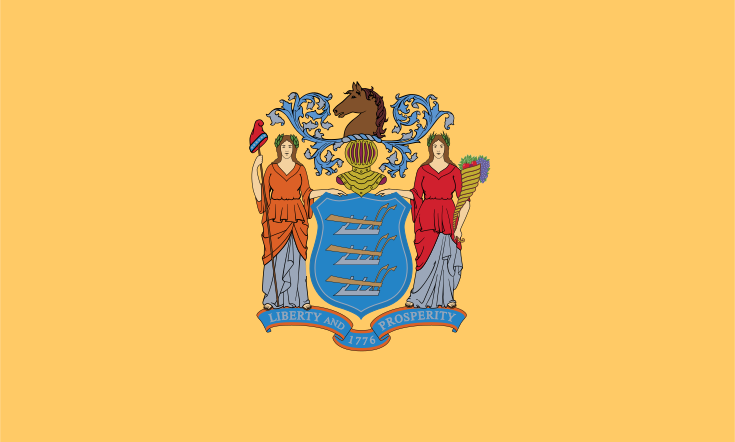 New Jersey
Rank #19 · SS exempt from state tax · Partial retirement exclusions
Compare New York vs New Jersey →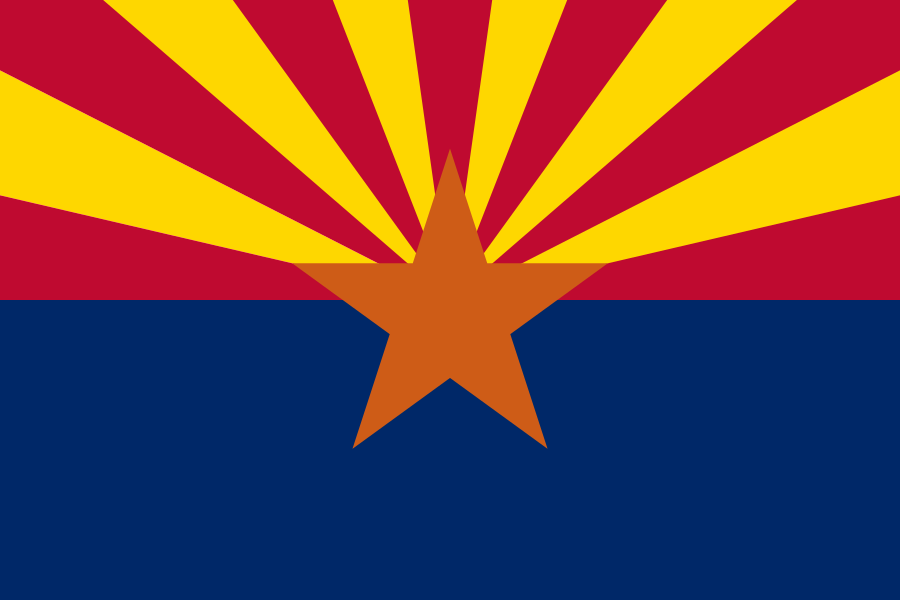 Arizona
Rank #23 · SS exempt from state tax · Retirement income taxed
Compare New York vs Arizona →Confirm current New York return instructions and local rules. Rankings are educational planning aids.