$100k take-home
Ontario $74,206 vs Alberta $74,459

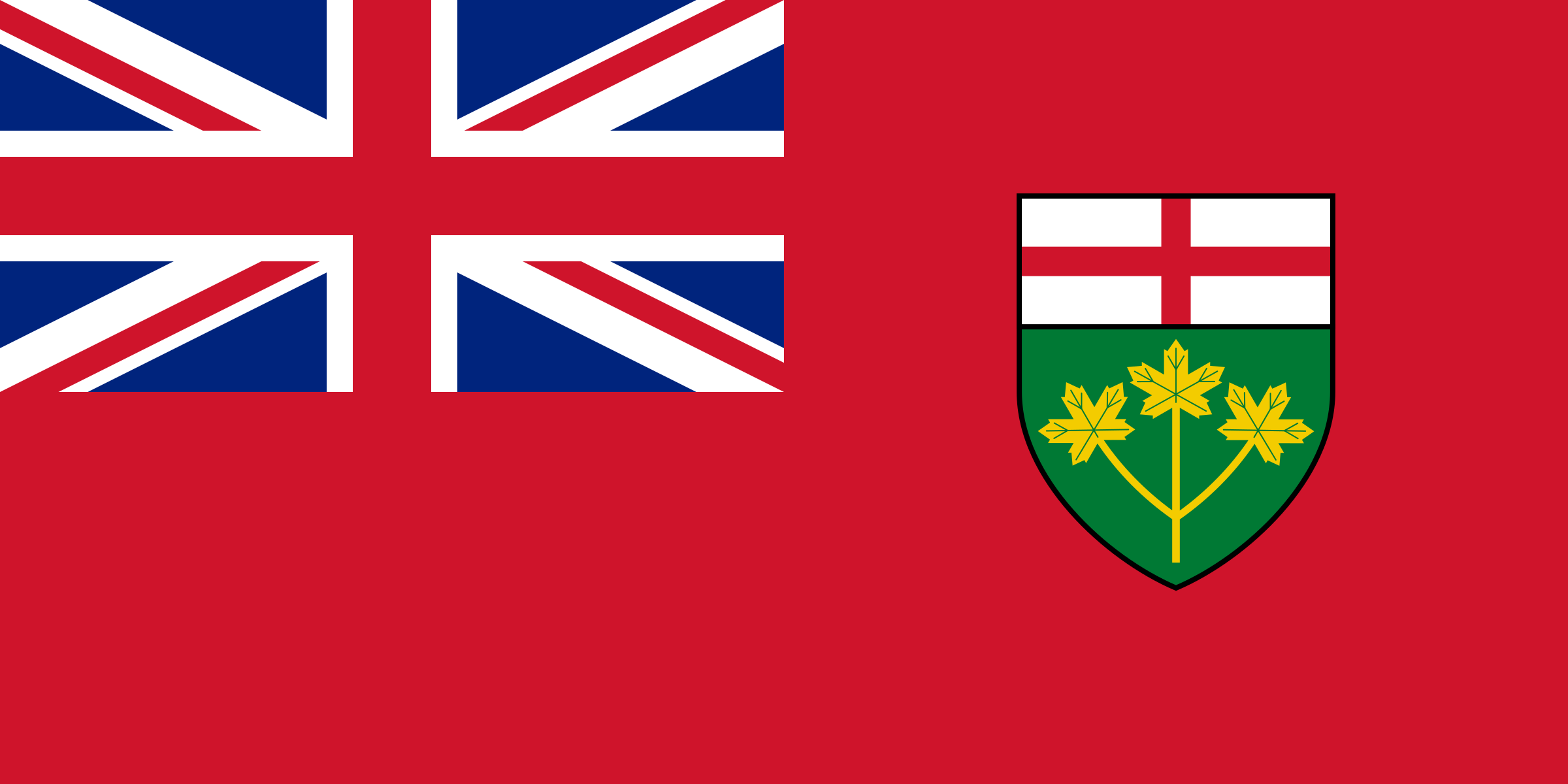 Ontario vs
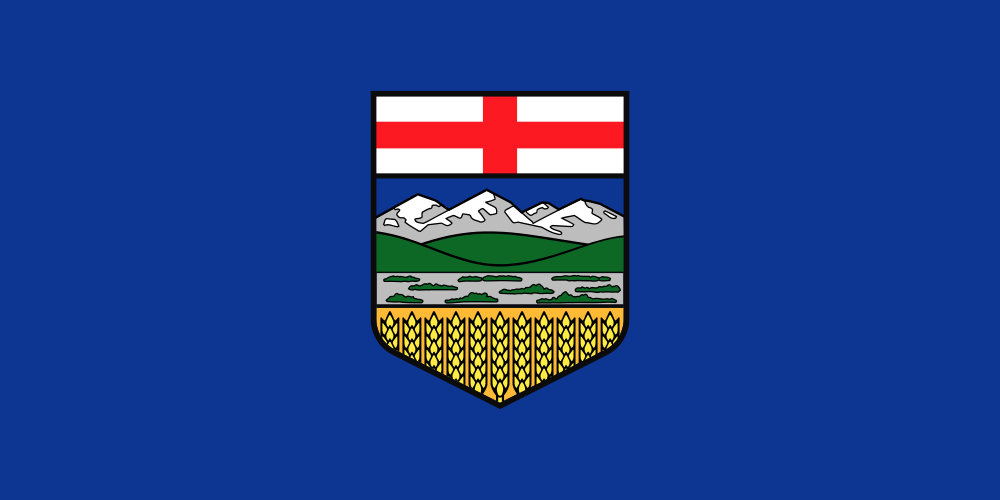 Alberta
Take-home pay after federal tax, provincial income tax, and CPP/EI — plus how to read the $100k gap, sales/property context, and what to check before relocating between Ontario and Alberta.
By Sammy S. · Founder · AuthorUpdated for 2026
Winner at $100k
Alberta
Extra take-home / year
$253
Per month
$21
Over 10 years
$2,530
Moving from Ontario → Alberta at $100,000
Lower tax and cost figures generally favor the highlighted cell. Rate structure notes sit under each province's calculator link.
| Metric | Ontario | Alberta |
|---|---|---|
| Provincial income tax | 13.16% · Progressive (top 13.16%) | 15% · Progressive (top 15%) |
| GST/HST/PST | 13% | 5% |
| Effective property tax | ~1.06% | ~0.93% |
| Cost of living index | 108 | 95 |
| Unemployment rate | 5.5% | 4.8% |
Dig into each province's paycheck
Ontario rate structure
Progressive brackets with a top marginal rate of about 13.16%.
Alberta rate structure
Progressive brackets with a top marginal rate of about 15%.
Ontario (Progressive (top 13.16%)) vs Alberta (Progressive (top 15%)). At $100,000 gross (single), Alberta typically leaves you with about $253 more take-home than Ontario after federal, provincial, and CPP/EI. GST/HST/PST 13% vs 5%; property tax ~1.06% vs ~0.93%. Cost of living index: 108 vs 95 (100 = Canada average). Ontario vs Alberta is a top Canadian tax corridor: Alberta's lower provincial tax (flat 10% base + progressive to 15%) stacks with no PST, while Ontario's progressive brackets (up to 13.16%) plus 13% HST shift the math. Alberta wins sharply on income tax but homeowners should model property tax and cost of living—Toronto housing can dwarf annual paycheck differences.
Net pay after federal income tax, provincial income tax, and CPP/EI — single filer, basic personal amount, no dependents (2026). Advantage is take-home in Alberta minus Ontario.
| Gross | Ontario take-home | Alberta take-home | Advantage |
|---|---|---|---|
| $50,000 | $40,145 | $40,541 | +$396 |
| $75,000 | $56,926 | $57,362 | +$436 |
| $100,000Headline | $74,206 | $74,459 | +$253 |
| $150,000 | $104,320 | $107,458 | +$3,138 |
| $200,000 | $131,278 | $137,854 | +$6,576 |
| $500,000 | $273,078 | $298,255 | +$25,177 |
Assumptions: single filer, basic personal amount, no dependents, tax year 2026. At $100k: CPP/EI ≈ $5,770 in both provinces; effective total tax rate ≈ 25.8% in Ontario vs 25.5% in Alberta. Local city/regional taxes are not included unless noted.
Where a $100,000 paycheck goes after federal income tax, provincial income tax, and CPP/EI (2026, single filer).
| Line item | Ontario | Alberta |
|---|---|---|
| Gross pay | $100,000 | $100,000 |
| Federal income tax (est.) | $13,301 | $13,302 |
| Provincial income tax | $6,723 | $6,470 |
| CPP/EI | $5,770 | $5,770 |
| Take-home pay | $74,206 | $74,459 |
| Effective total tax rate | 25.8% | 25.5% |
| Monthly take-home | $6,184 | $6,205 |
Federal estimates can differ slightly between provinces when provincial interactions affect taxable income (e.g., Quebec abatement). GST/HST/PST 13% (Ontario) vs 5% (Alberta); effective property tax ~1.06% vs ~0.93%.
Tax structure, living costs, and lifestyle trade-offs beyond the paycheck number.
OntarioPros
Cons
AlbertaPros
Cons
Quick read on when each province is the better fit — beyond the headline tax number.
Tax engine. Federal income tax uses 2026 CRA brackets and the basic personal amount for a single filer. CPP/EI includes employee shares (QPP for Quebec where applicable). Provincial income tax applies Ontario's and Alberta's rules as modeled in our Canada calculator (Progressive (top 13.16%) vs Progressive (top 15%)).
What's included. Employment income only — no capital gains, self-employment tax, itemized deductions, credits beyond basic personal amount, or municipal taxes unless noted. Sales tax (GST/HST/PST 13% vs 5%) and property tax (~1.06% vs ~0.93%) are context metrics, not subtracted from the take-home ladder.
Cost of living. COL indexes (108 vs 95, 100 = Canada average) help interpret whether a paycheck win buys more in real life. For city-level equivalent salary, use the relocation calculator.
Planning guide
At $100,000 gross in 2026, Alberta leaves about $253 more take-home per year in this single-filer model. Use the income ladder and sales/property metrics before treating that gap as a relocation decision.
Ontario $74,206 vs Alberta $74,459
$253/yr more in Alberta
13% vs 5%
~1.06% vs ~0.93%
Provincial tax follows where you are resident—update payroll and health coverage when you move.
Married, dependents, and RRSP contributions can change the gap versus this single-filer scoreboard.
COL indexes: Ontario 108 vs Alberta 95 (100 = Canada average).
Income-tax savings can be offset by higher GST/HST/PST or property tax after you get paid.
Federal brackets and CPP/EI (or QPP in Quebec) remain part of every paycheck. This duel isolates provincial differences at the same gross; Quebec pairs also reflect the federal abatement where applicable.
Common questions about Ontario vs Alberta taxes, take-home pay, and relocation.
Model cost-of-living equivalent salary, or open each province's paycheck calculator with your filing status and deductions.
Estimates only for tax year 2026. Not tax advice — verify with CRA or your provincial tax authority before relocating. Figures assume a single filer with the basic personal amount and no dependents.